
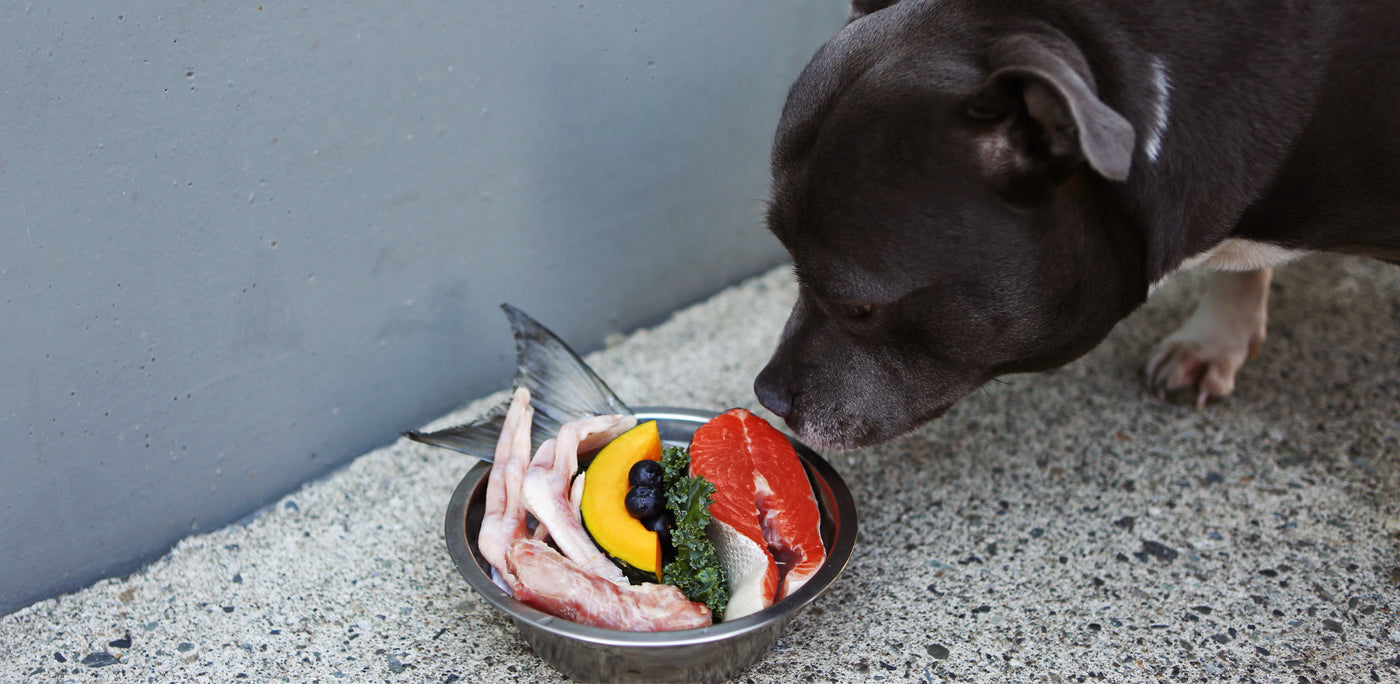
Transitioning your dog or cat to a biologically appropriate raw diet doesn’t need to be complicated. When done thoughtfully, most pets adjust quickly and experience little to no digestive upset.
Before starting, it’s important to consider your pet’s age, health status, and dietary history. These factors help determine the most appropriate transition method and set the stage for long-term success.
There are two proven ways to transition pets to raw food:
- Cold Turkey Transition
- Soft (Gradual) Transition
Both methods work. The right choice depends on your pet — not on fear, myths, or unnecessary complexity.
Important Note
At True Carnivores, we are not veterinarians. Our staff are educated, experienced, and practice what we share on our own animals. Our guidance and written materials are not a substitute for veterinary care, particularly for pets with diagnosed medical conditions. We encourage working with a veterinarian — ideally one familiar with holistic or integrative nutrition — when medical issues are present.
Choosing Your Transition Method
Cold Turkey Transition
(Recommended for most healthy dogs)
The cold turkey method means stopping commercial food completely and switching directly to raw.
This approach works well for most dogs because raw and processed foods digest differently. Feeding them together can slow digestion and cause unnecessary gastrointestinal upset.
How to do a cold turkey transition:
- Skip one meal (usually dinner).
- At the next meal, feed a single-protein raw meal.
- Choose a simple, bone-inclusive protein — turkey is often ideal.
- Feed smaller portions for the first day, then return to normal amounts.
- Feed the same protein for the first 2–3 days.
- Begin rotating proteins regularly once digestion is stable.
Most dogs transition smoothly within a few days.
Soft (Gradual) Transition
(Often best for cats and sensitive pets)
A soft transition introduces raw food slowly and can be helpful for:
- Cats
- Senior pets
- Pets with sensitive digestion
- Pets with a long history of highly processed food
How to do a soft transition:
- Replace 10–25% of the current diet with raw food.
- Increase the raw portion every 2–3 days.
- Monitor stools, appetite, and energy levels.
- Once fully transitioned, feed raw exclusively rather than long-term mixing.
Patience and consistency are key with this approach.


Most pets switch to raw food without issue, but a little extra support can make the process even smoother — especially during the first few weeks.
Digestive Support
Supplementing during the transition can help the gut adapt to real food more efficiently.
- Probiotics support healthy gut bacteria and can improve stool quality during dietary changes.
- Digestive enzymes help break down proteins and fats, reducing digestive workload.
- These supports can be used temporarily or longer-term, depending on your pet’s needs.
Regulating Fibre
For pets experiencing loose stools or inconsistent digestion:
- Pumpkin is a gentle, well-tolerated fibre that can help firm stools without interfering with nutrient absorption.
- Use small amounts and adjust as needed based on stool quality.
Improving Palatability
If your pet seems hesitant or uninterested, small changes in how food is served can make a big difference.
- For dogs, serving food semi-frozen can increase interest and mimic the texture of natural prey.
- Warming food slightly can enhance aroma and improve palatability — especially helpful for cats.
Exploring Different Textures
Texture plays a bigger role than many people expect.
- If fresh raw is refused, try freeze-dried or dehydrated raw as a transitional option.
- These formats can bridge the gap between processed food and fresh raw.
- Freeze-dried foods can also be rehydrated to create different moisture levels and textures.

Transitioning Dogs to Raw
Making the switch to raw with your dog is often easier than expected. Once you become familiar with proteins, bones, tripe, and chews, raw feeding quickly becomes second nature.
Best practices for dogs:
- Start with one protein for the first 7–10 days
- Choose bone-inclusive meals to support digestion
- Expect firmer stools early on — this is normal
- Once adjusted, rotate proteins regularly for balance and variety
Dogs transitioning from commercial food may be slightly hesitant at first. Puppies and young dogs typically transition with ease, while older dogs may benefit from extra patience.
Transitioning your dog is the easy part:
Choose a method, pick a protein, thaw, and serve.

Transitioning Cats to Raw
Cats often require more patience during the transition process. As imprint feeders, they tend to resist change — especially if they’ve eaten the same food for years.
Best practices for cats:
- Offer variety early to identify preferences
- Use a soft transition for most cats
- Expect hesitation and take things slowly
- Stay calm and consistent
Kittens usually transition easily, while older cats may take longer. With time and persistence, most cats adapt well and thrive.

The Adjustment Phase
Some pets experience a short adjustment period as their bodies adapt to real food. During this time, the body may eliminate accumulated waste and inflammatory byproducts.
You may notice:
- Temporary stool changes
- Early weight loss
- Reduced tear staining
- Less odor or dander
- Changes in urine color
These signs are typically short-lived and indicate a shift toward improved balance and overall health.
Every pet is different. If you’re unsure where to start, which transition method to choose, or how to fine-tune the process, our team is here to help.
Raw feeding doesn’t need to be complicated — it just needs to make sense.


